Get Gas Line Relocation
Gas line relocation services help property owners safely move existing gas lines for renovations, new construction, or safety improvements, handled by experienced local contractors.
If you're considering relocating a gas line on your property, you're in the right place to explore your options. Property owners often need gas line relocation for various reasons, such as making way for new construction, improving outdoor safety, or enhancing the functionality of outdoor spaces. Planning such projects requires careful coordination with experienced service providers who understand the complexities involved. By comparing local contractors, you can find the right professionals to help ensure the work is handled safely and efficiently.
Continuing to explore your options can lead to a better understanding of the services available in your area. Local contractors specializing in gas line work can provide insights into the best approaches for your specific project, whether it's rerouting for landscaping, building additions, or other renovations. Gathering information and connecting with qualified service providers can help you make informed decisions as you plan your property improvements.
- Gas Line Relocation for Renovations - when remodeling a property requires moving existing gas lines to accommodate new layouts.
- Emergency Gas Line Adjustment - in cases where a gas line has been damaged or is leaking and needs prompt relocation for safety.
- Property Expansion Projects - when adding new structures or extensions that require rerouting gas lines to serve additional areas.
- Utility Upgrades - during upgrades to modernize or improve the safety and efficiency of gas service systems.
- Commercial Gas Line Changes - for businesses that need to modify gas lines to support new equipment or facility layouts.
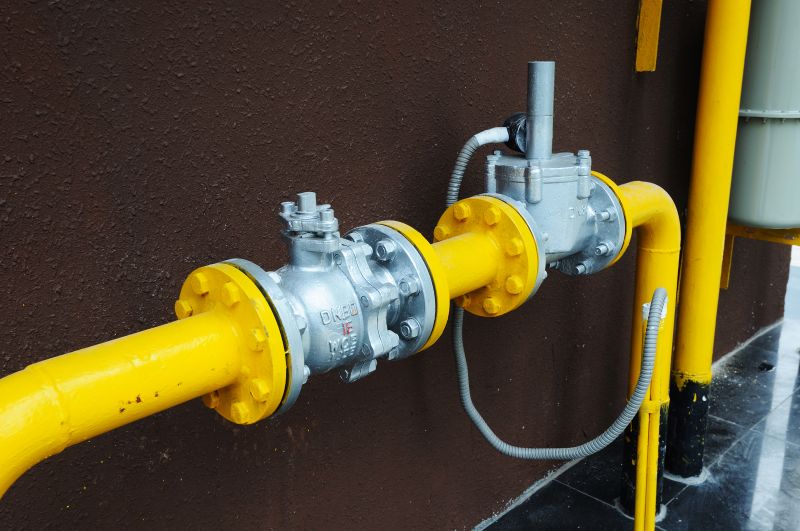
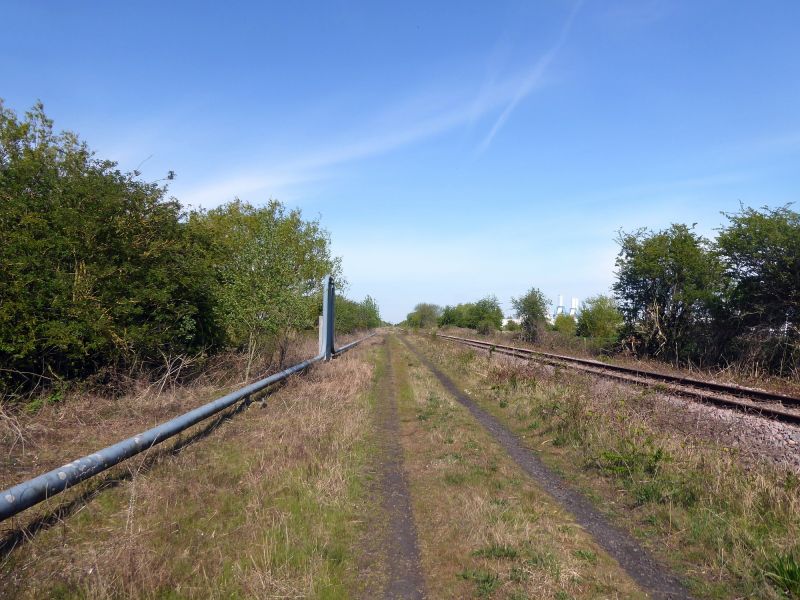
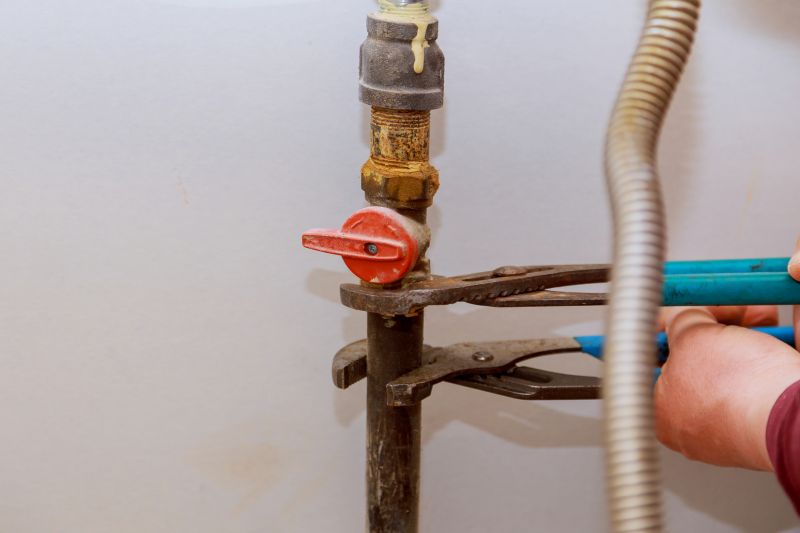
Gas line relocation services involve the careful process of moving existing natural gas lines from one location to another on a property. This work is often necessary when homeowners plan to remodel, add new structures, or make significant changes to their property’s layout. Skilled service providers assess the current gas line setup, develop a safe and efficient plan for the move, and execute the work to ensure the gas lines are properly rerouted and safely connected. This process helps prevent potential hazards and ensures the gas system remains reliable after the relocation.
Relocating a gas line can help resolve several common problems. For example, if a home’s existing gas line interferes with construction projects like building a new garage or extending a driveway, moving the line can make these projects possible. It can also address issues related to outdated or damaged piping, which may pose safety concerns or cause gas leaks. Additionally, homeowners who want to upgrade appliances or install new features that require different gas line routes will find this service essential for creating a safe, functional setup.
This service is typically used for residential properties, especially those undergoing renovations or expansions. Single-family homes often need gas line relocations when adding new rooms, outdoor kitchens, or heating systems. Multi-family buildings, such as apartment complexes or townhouses, may also require gas line adjustments during major upgrades or reconfigurations. Commercial properties that rely on gas-powered equipment or appliances might need to move gas lines to accommodate new layouts or meet safety standards. In all cases, experienced local contractors handle these projects to ensure proper installation and compliance with safety guidelines.
Homeowners should consider gas line relocation services if they are planning significant changes to their property that affect existing gas lines. This includes projects like building additions, demolitions, or installing new outdoor features that require rerouting gas supply lines. It is also advisable when there are signs of gas leaks, corrosion, or damage to existing piping, as moving the lines can improve safety and performance. Contacting local service providers can help determine whether a gas line move is necessary and ensure the work is completed safely and correctly, supporting the ongoing safety and functionality of the property’s gas system.
The overview below groups typical Gas Line Relocation projects into broad ranges so you can see how smaller, mid-sized, and larger jobs often compare in your area.
In many markets, a large share of routine jobs stays in the lower and middle ranges, while only a smaller percentage of projects moves into the highest bands when the work is more complex or site conditions are harder than average.
Smaller Repairs - Most routine gas line relocation jobs fall within the $250-$600 range. These projects typically involve minor adjustments or short-distance moves handled by local contractors. Larger or more complex repairs can push costs higher, but many jobs stay within this middle tier.
Mid-Size Projects - For moderate relocations involving longer distances or some additional work, costs generally range from $600-$1,500. Many projects in this range are common, with fewer reaching the upper end of the spectrum due to increased complexity.
Large or Complex Moves - Extensive gas line relocations, such as those involving multiple connections or significant site preparation, can cost between $1,500-$3,500. These projects are less frequent but are handled by experienced local service providers when needed.
Full Replacement or Major Overhauls - Complete gas line replacements or highly complex relocations can exceed $3,500, with some projects reaching $5,000 or more. Such jobs are less common and often require detailed planning and multiple skilled trades.
Actual totals will depend on details like access to the work area, the scope of the project, and the materials selected, so use these as general starting points rather than exact figures.
Underground Utility Line Installation - local contractors skilled in installing various underground utilities use similar planning, excavation, and safety techniques as gas line relocation projects.
Pipeline Repair and Maintenance - professionals experienced in repairing and maintaining pipelines apply similar skills in assessing, accessing, and working within underground systems.
Excavation and Trenching Services - excavation experts who carefully dig trenches for utilities or foundations share expertise in soil management, safety protocols, and equipment use relevant to gas line work.
Drainage System Installation - installing underground drainage involves planning and trenching skills comparable to those needed for relocating gas lines.
Foundation Piering and Underpinning - these projects require precise excavation and soil assessment techniques similar to those used in gas line relocation.
Electrical Conduit Installation - installing underground electrical conduits involves similar planning, trenching, and safety considerations as gas line rerouting services.
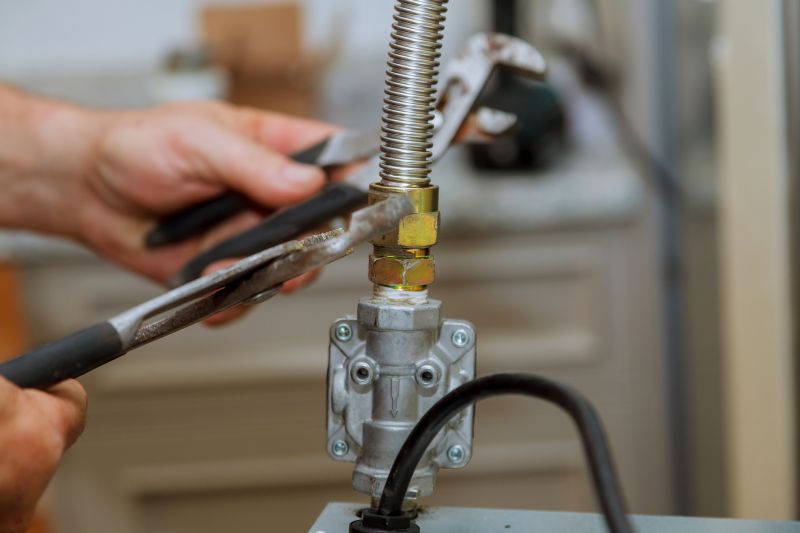
When comparing service providers for gas line relocation, it’s important to consider their experience with similar projects. Homeowners should inquire about how many gas line relocations the contractor has completed and whether they have handled projects of comparable scope and complexity. An experienced professional is more likely to understand the unique challenges involved and deliver a reliable solution. Checking for a history of successful projects can help ensure that the contractor is well-versed in the specific requirements of gas line work, which can contribute to a smoother process and satisfactory results.
Clear, written expectations are essential when evaluating local contractors for gas line relocation. Homeowners should seek detailed estimates that outline the scope of work, materials to be used, and any necessary permits or inspections. Having a comprehensive written plan helps prevent misunderstandings and provides a reference point throughout the project. It’s also advisable to confirm that the contractor communicates openly about the process, including any potential issues that might arise, and is willing to put all agreements in writing before work begins.
Reputable references and good communication are key factors in choosing a dependable service provider. Homeowners can ask local contractors for references from previous clients who had similar work done, providing insight into the contractor’s reliability, quality of work, and professionalism. Strong communication ensures that questions are answered promptly and expectations are managed effectively. While the site introduces homeowners to local options, it’s important to remember that the actual work is performed by qualified service providers in the area, making thorough research and clear dialogue vital steps in selecting the right partner for a gas line relocation project.
Property owners use Gas Line Relocation services for practical projects around their homes and businesses. This guide focuses on everyday jobs and straightforward project options.
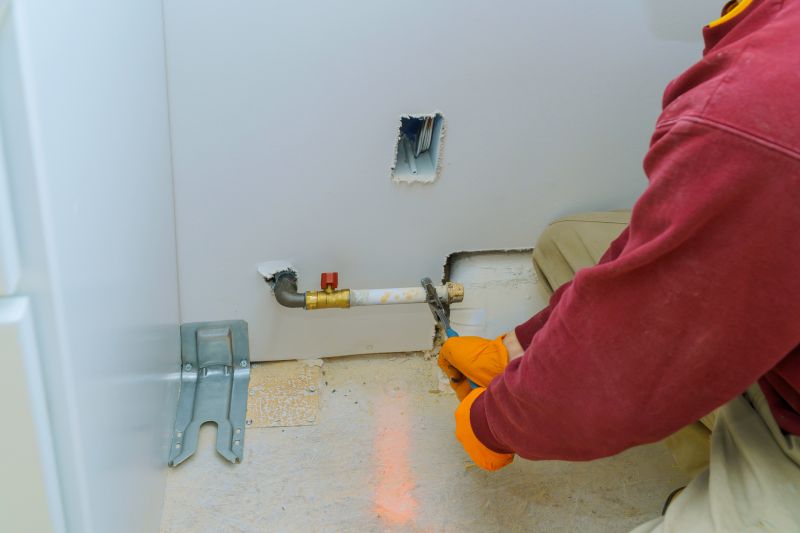
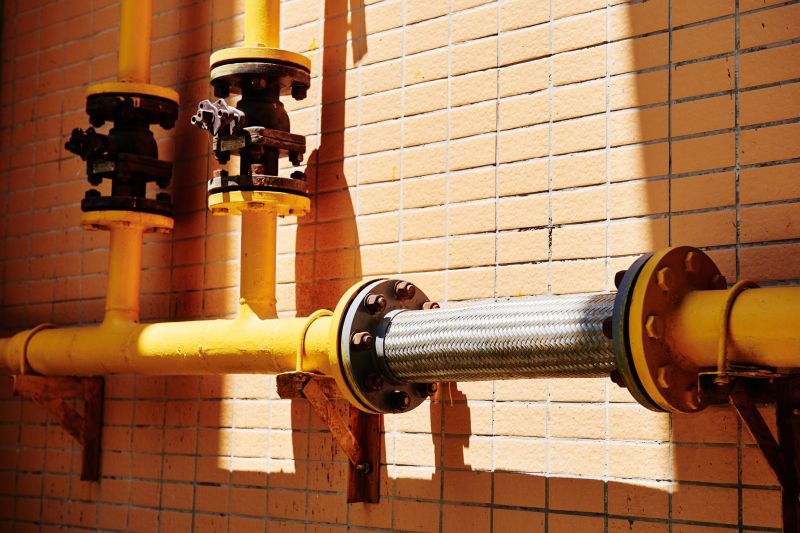
Gas line relocation services are often needed when property owners plan home renovations, additions, or landscaping projects that interfere with existing gas lines. Whether expanding a driveway, building a new garage, or installing outdoor amenities, local contractors can handle the safe and efficient movement of gas lines to accommodate these changes. Additionally, homeowners may seek gas line relocation if they’re experiencing issues like leaks, corrosion, or outdated piping that requires rerouting or replacement for safety and compliance reasons.
Property owners in the area might also look for gas line relocation when upgrading appliances or installing new systems that require different gas line configurations. In some cases, existing gas lines may need to be moved to improve access or meet updated building codes. Local service providers can assist with these projects, ensuring that the work adheres to safety standards and is completed with minimal disruption to the property.
Why might I need gas line relocation services? Gas line relocation may be necessary to accommodate home renovations, improve safety, or expand living spaces. Local contractors can assess your property and advise on the best course of action.
How do professionals handle gas line relocation safely? Experienced service providers follow safety protocols and industry standards to ensure the gas lines are moved securely and correctly, minimizing risks during the process.
What factors influence the complexity of relocating a gas line? Factors such as the property layout, existing infrastructure, and access points can affect the complexity. Local contractors evaluate these details to plan the best approach.
Can gas line relocation be combined with other plumbing work? Yes, many service providers can coordinate gas line relocation with other plumbing or utility upgrades to streamline the project.
How can I find local contractors for gas line relocation? Use a lead generation platform to compare and connect with trusted local service providers experienced in gas line relocation services.
Gas Line Relocation for Kitchen Renovations - When updating a kitchen layout, local contractors can safely move gas lines to accommodate new appliances or configurations.
Outdoor Gas Line Adjustments for Landscaping - Property owners planning outdoor projects can have gas lines rerouted to new locations for grills, fire pits, or outdoor kitchens.
Garage or Basement Gas Line Reconfiguration - Moving gas lines inside a property can facilitate the installation of new heating appliances or additional fixtures.
Property Expansion or Renovation Gas Line Services - During home additions or renovations, local service providers can relocate gas lines to ensure safety and compliance with new layouts.
If you are thinking about Gas Line Relocation for a property, this guide is meant to help you understand the work, the typical project types, and how different options might fit your plans.
When you are ready, you can use the quote form on this page to share a few details about your project. From there, local pros can review the basics and respond with options that match what you have in mind.